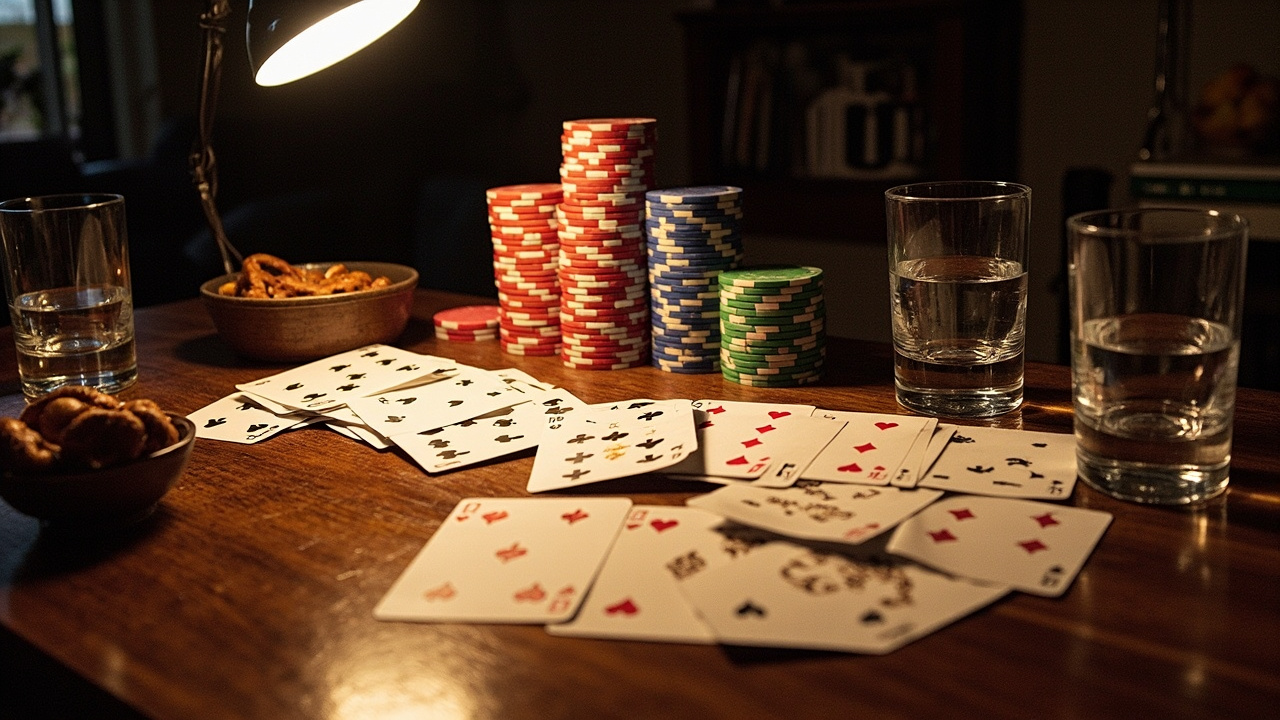
Blackjack Card Counting Tips for Australian Players
Counting cards at the blackjack table is less about memorizing every card and more about tracking when the deck tilts in your favour. For Australian adults weighing strategy against actual play conditions, the reality is messier than the movies suggest. You need a solid grasp of basic strategy first, because no counting system survives poor fundamental decisions. If you are looking for where to practise responsibly online, you can check out uptownpokiesnodepositcodes.net for current no-deposit offers that let you test mechanics without committing real funds upfront.
Where the real edge actually sits

The focus here is on disciplined tracking, not magic. A proper count tells you when the remaining deck is rich in tens and aces, which shifts the odds slightly toward the player on certain bets. That shift is small, often under one per cent, and it only materialises over many hands if you vary your stakes intelligently. Most casual players overestimate how much a count alone delivers. The edge comes from combining the count with bet sizing, table selection, and knowing when to walk away before the variance wipes out a short run. You also need to understand that live shoes shuffle frequently, which trims the window where a count is useful. Online continuous-shuffle machines remove that window almost entirely, so the technique is really a live-floor exercise, not a digital one.uptownpokiesnodepositcodes.net
How to practise without blowing your bankroll
Building a count you can actually hold in your head
Start with a single-level system rather than a complicated multi-level model. Assign low cards a positive value, high cards a negative value, and keep a running total as the shoe turns over. The running count tells you nothing by itself; you need the true count, which divides that running figure by the estimated decks left in the shoe. That division is where most beginners fall apart under pressure. Practise with a deck at home until you can flip through cards and call the true count without hesitating. Once you can do that, add basic-strategy deviations that only trigger at specific true counts, because playing perfect basic strategy all the results the time leaves money on the table when the count is clearly hot. Keep your sessions short, track your results in a spreadsheet, and treat the early weeks as data gathering rather than income.
Table selection and the limits that matter
Not every table rewards a count, even when you are doing the maths correctly. A busy arvo at a Darwin club might have a six-deck shoe that gets cut early, which shrinks the profitable window before you ever get traction. Check the penetration, the shuffle point, and the minimum bet relative to your bankroll before you sit down. If the table stakes are too high for your session budget, the count is academic because one bad run ends the night. You also want rules that do not chop the edge away, such as paying 3:2 on blackjack rather than 6:5. Ethan Mitchell, Head of Live Casino, Pacific Wager Analytics, notes that shoe penetration and rule variation move the count’s value far more than the counting system itself, so pick the floor conditions before you pick the technique.
What this means for how you play
The technique is a pacing tool, not a guarantee. It helps you identify when the deck is tilted and adjust your exposure accordingly, but it does not change the house edge on any single hand. Responsible-play controls matter here because counting can tempt you to push bet sizes when the count looks favourable, and a cold streak still happens regardless of your maths. Set a loss limit, a win target, and a time cap before you walk to the table, then treat the count as information rather than a signal to chase. Thomas White, Responsible Gambling Adviser, Banksia Betting Partners, warns that the discipline to reduce stakes during negative counts is harder than the arithmetic itself, and players who skip that side of the work usually lose the benefit they thought they had built. If you want a broader look at how legality and smarter online play fit together, this related article on legal blackjack card counting and smarter online play walks through the distinction between tracking cards and what operators actually permit.
Ultimately, the goal is sustainable play rather than attempting to outsmart the mathematics entirely. For a deeper look at how these strategies fit into legal frameworks, you can review this analysis of conteggio carte blackjack legale. Knowing the rules ensures you remain within bounds while managing your risk.

Some players reckon a count lets them beat any table they sit at, which is the misconception worth clearing up. The reality is more nuanced because casino conditions, shuffle frequency, and bet limits decide whether the small statistical edge survives long enough to matter. In a Darwin venue with a shallow cut card and frequent shuffles, the same system that works on a deep eight-deck shoe barely gets a chance to breathe. That is why the real work is choosing where and when to apply the count, not just learning the numbers.
For Australian adults 18 and over, card counting is a niche skill that rewards patience, strict bankroll control, and honest self-assessment more than it rewards bravado. If you enjoy the maths, can sit through long dry spells without tilting, and will reduce your bets when the count turns against you, the technique can add a modest layer of control to your sessions. If you want excitement first and strategy second, or you are uncomfortable varying your stakes based on a running total, you are better off playing basic strategy and treating the table as paid entertainment.